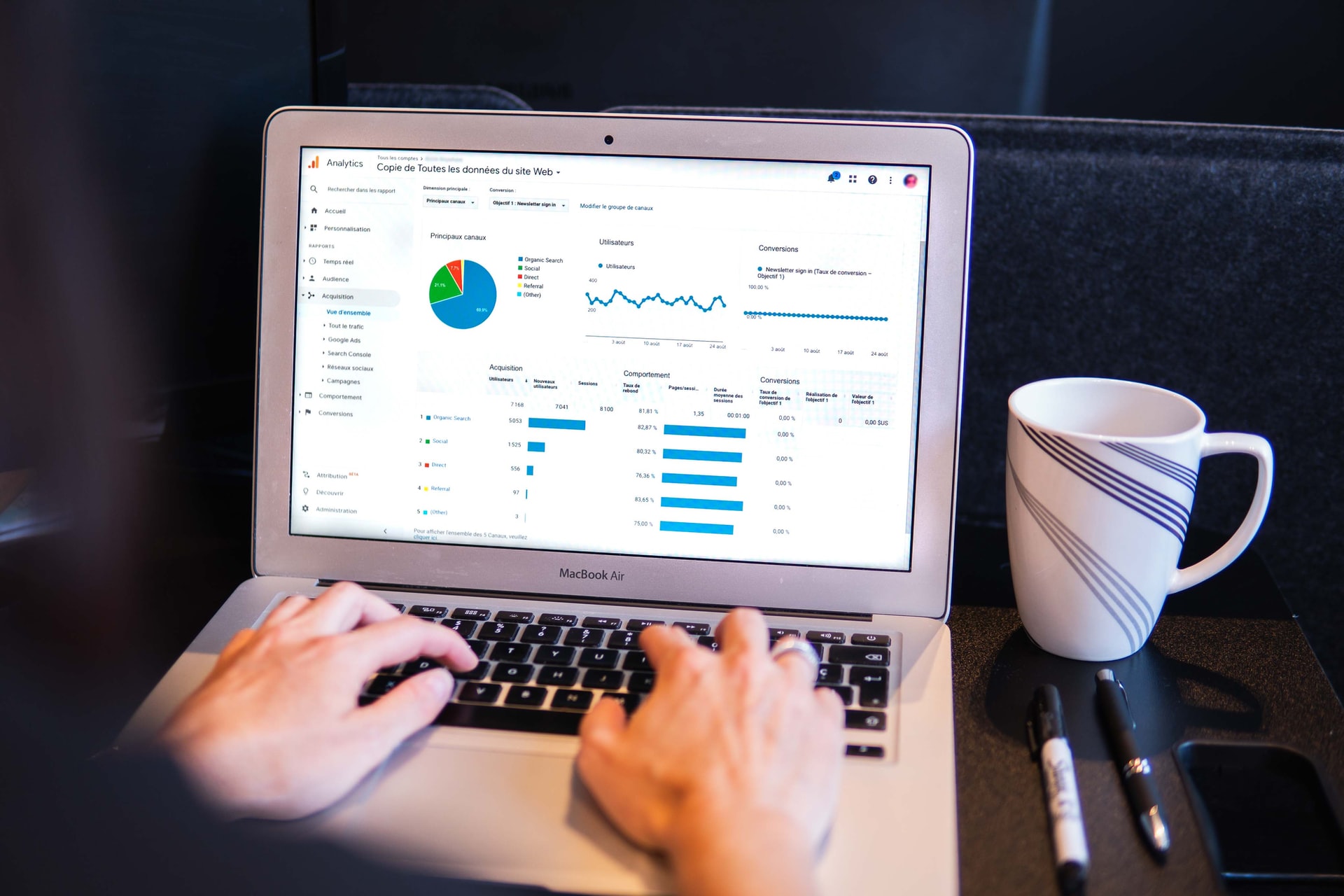

When technology issues arise, many businesses react based on symptoms rather than insight. Slow systems, recurring outages, or frustrated users point to problems—but without clear metrics, it’s difficult to understand why those problems occur or how to prevent them. For Cincinnati businesses, tracking consistent IT performance metrics is essential for improving reliability, reducing risk, and making smarter decisions about technology investments.
Performance metrics turn IT from a black box into a measurable business function.
What IT Performance Metrics Include
IT performance metrics are measurable indicators that show how well systems are operating over time. These metrics provide visibility into availability, efficiency, and risk.
Common metrics include:
- System uptime and availability
- Mean time to detect and resolve issues
- Network latency and bandwidth usage
- Backup success and recovery readiness
- Security alert frequency and response time
When tracked consistently, these indicators reveal trends that are invisible during day‑to‑day operations.
Businesses that partner with providers offering managed services in Cincinnati gain access to ongoing reporting that makes these metrics actionable rather than overwhelming.
Moving From Guesswork to Informed Decisions
Without metrics, IT decisions are often reactive. Leaders may approve upgrades based on complaints or delay investments because issues appear intermittent.
Performance metrics support better decisions by:
- Identifying recurring bottlenecks
- Highlighting aging systems before failure
- Showing where proactive maintenance is paying off
- Revealing which issues create the most disruption
This insight helps Cincinnati businesses prioritize improvements that deliver the greatest impact.
Improving Uptime and Reliability
Uptime is one of the most important indicators of IT health. Tracking availability over time helps businesses understand how often systems are truly accessible and where failures occur.
Consistent monitoring aligns with practices discussed in a related blog on ongoing IT monitoring, where early detection and trend analysis prevent small issues from escalating into outages.
With metrics in place, teams can address root causes instead of repeatedly fixing symptoms.
Strengthening Security Through Measurement
Security can feel abstract without data. Metrics make security tangible by showing how often threats occur and how quickly they’re addressed.
Useful security metrics include:
- Failed login attempts
- Phishing detection rates
- Patch compliance levels
- Incident response times
When paired with cybersecurity services, these metrics help businesses assess risk realistically and adjust defenses based on evidence rather than assumptions.
Ensuring Backup and Recovery Readiness
Backups are critical, but their reliability must be measured. Metrics confirm whether backups complete successfully and whether recovery objectives are being met.
Tracking backup performance supports reliable data backup and disaster recovery by:
- Identifying failed or incomplete backups
- Verifying recovery time expectations
- Ensuring critical systems are protected consistently
This visibility reduces uncertainty during incidents and improves confidence in recovery plans.
Supporting Accountability and Ownership
Metrics also clarify accountability. When responsibilities are defined and measured, teams know what success looks like and where improvements are needed.
Performance reporting helps:
- Set clear expectations for IT outcomes
- Track progress against service goals
- Support continuous improvement
This transparency improves collaboration between leadership, internal teams, and external partners.
Aligning IT With Business Goals
IT metrics are most valuable when they connect directly to business priorities. Availability affects productivity, security impacts risk, and recovery readiness influences resilience.
By aligning metrics with goals such as uptime targets, security benchmarks, and response times, Cincinnati businesses ensure technology supports growth rather than hindering it.
Using Metrics to Plan for Growth
As businesses grow, technology demands increase. Metrics help forecast capacity needs and identify when systems are approaching limits.
This proactive insight supports:
- Smarter budgeting
- Timely infrastructure upgrades
- Reduced emergency spending
Growth becomes predictable instead of disruptive.
The Value of Local Insight
Working with a local Cincinnati IT company adds context to performance data. Local providers understand regional business patterns and can translate metrics into practical recommendations tailored to the environment.
This guidance ensures data leads to action, not just reports.
Turning Metrics Into a Competitive Advantage
Consistent IT performance metrics transform technology management from reactive troubleshooting into strategic oversight. With clear data, Cincinnati businesses gain stability, improve security, and plan confidently for the future.
If your organization wants better visibility into how technology supports daily operations, learning more about managed services in Cincinnati through Revworx is a practical next step toward measurable, dependable IT performance.